
This site is created and hosted for free by WonderGeorge.com
 JH Strategic Partners
The Incredible Demand Engine
9 Critical Steps to Closing More Deals
WHERE TO START?
When most business owners think about growth, they think about marketing (i.e., visibility). "If more people could see me, I'd be better off."
It sounds reasonable. But marketing is just one of the 9 nodes in the demand engine.
Before investing heavily in marketing, it's important to understand how demand actually works.

The Demand Engine
A potential customer must successfully move through six (6) stages before they become a paying customer. And if you can move them through all nine (9), they create momentum for your business.

1. Visibility
People must know you exist.
If a prospect can’t see you, they can’t convert. This is the part every owner understands intuitively which is why so many turn to marketing companies first when they want to grow. But this is often a waste of resources until the rest of the circuit is addressed.

2. Messaging / Clarity
People must understand what you do.
If a prospect sees you but doesn’t understand what you do, they won’t convert. Many businesses explain their services from their own perspective instead of their customer's perspective. Or they use industry jargon. Or leave gaps in the message.
Confused customers rarely buy.

3. Market Fit
People must like how you do it.
If a prospect sees you, understands what you do but they don’t like it, they won’t convert. They’ll appreciate your clarity, and will kindly keep looking.
The solution, process, pricing structure, communication style, availability, quantity, packaging, and overall experience must match the needs of the market.
Visibility, Message, Fit
These first three all occur simultaneously in your advertisement, website, or other media. The location of the ad is why they see it, the message is what they see, and the fit is what they take away. But they all happen in a single moment.
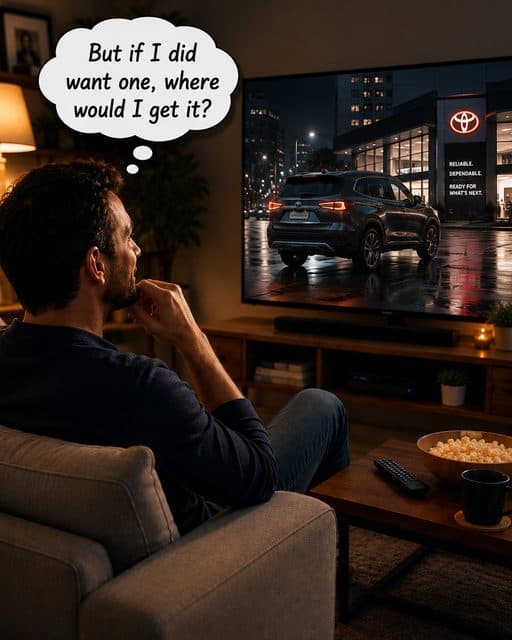
4. Accessibility
People must know how to take advantage of your solution.
If a prospect sees you, understands what you do and likes what you do, but can’t figure out how to take advantage, they’re not likely to go through the effort to figure it out.
Some will, most won’t.
If contacting you is difficult, booking is confusing, or the process feels complicated, or requires a tool they don’t have (i.e., QR codes for an audience that uses flip phones), opportunities disappear.
5. Confidence
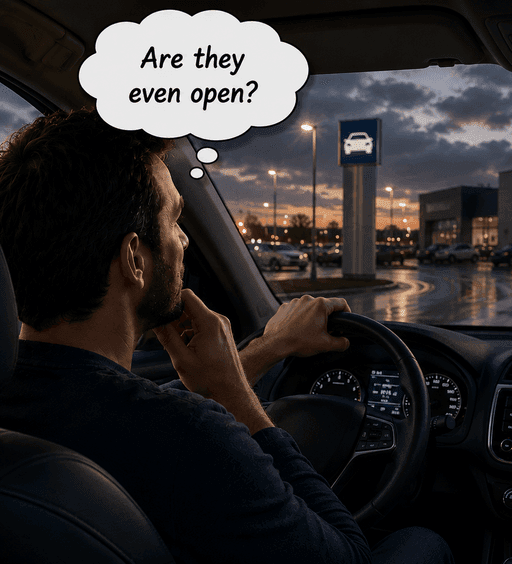
People must feel comfortable moving forward.
If a prospect sees you, understands what you do, likes what you do and knows how to take advantage, but isn’t quite sure if they’re doing it right, or if they are the type of customer you like working with, some of them will turn away out of insecurity or uncertainty.
This isn’t enough to deter everyone, but more people than you’d think are uncomfortable engaging with a business until they are absolutely sure they are wanted and are "doing it right."
Questions must be answered. Confidence built. Risk must be reduced. Then fewer people will fall away at this step.
6. Conversion
People need to be able to buy.
If a prospect sees you, understands what you do, likes what you do, knows how to take advantage and has confidence they're in the right place but they can't figure out how to physically purchase, they will get frustrated and leave before you get paid.
But, with a clear purchase process, the circuit completes and the prospect becomes a customer.
Are we done? No. Now we have a fork in the road. What happens next determines if this is the only sale you get, or if the door is open to a long-term client relationship.

Accessibility, Confidence, Conversion
Once a customer likes what they see and decide to take action, these next 3 ensure they can with no physical, social, or emotional blockages to slow them down.
7. Expectation
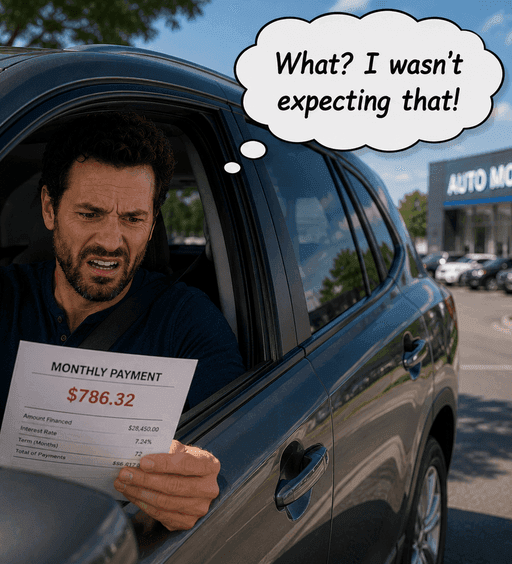
People need know what to expect.
If a customer agrees to do business with you but has misguided expectation, they can feel alienated even if you did everything right.
Customers develop expectations before they ever meet you. For example if you are a limo company, people expect you to require 24 hours notice because that's what they experience elsewhere. Understanding what they expect, or what pieces they might be missing, and taking this opportunity make adjustments or additions to their expectation can go a long way to guaranteeing a good impression and a good experience.
This is the hardest leak to identify. If you don't do this you can still get great customers when their default expectations matched how you do business. But you also might be missing opportunities. For example, if they expect you to require 24 hours notice, but you actually take requests same day, they may not call you for same-day service because they don't expect you can do that.
Expectations have to be set, and aligned with how you do business. Not your competitors. Not the industry status quo.

8. Delivery
The customer receives what they were promised.
This is the culmination of the entire circuit. You did your market research and figured out what they want (market fit). You crafted it into a message that says “we do that” (market message / clarity), and you broadcast it to your audience (visibility). Then you moved every obstacle out of their way to get to this moment and even filled in some gaps in their expectation.
Did reality match that expectation?
A successful delivery creates trust. A failed delivery destroys it and no amount of marketing can compensate for a broken delivery phase. If they go through all that and ultimately don’t get the experience they expected, this will likely be the only sale you ever get from this person or any of their friends. But, if you deliver as expected or better, they will at least WANT to come back should the need ever arise again.
The last step in the demand engine is to ensure they can.
9. Follow Up
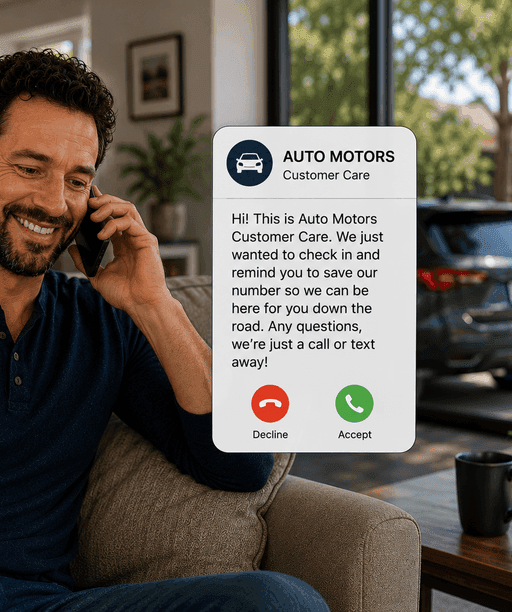
Many owners assume that a happy customer will automatically come back. Unfortunately that’s not how people work.
People book you the first time and don’t save your contact information because they don’t know if the experience will be worth coming back to yet. By the time they figure out you’re amazing, they are no longer thinking about their next visit and never circle back to create your contact in their phone. They lose your business card. Your Google ranking changes. They forget your name or the last search term they used.
They intended to come back, but now they can’t. They intended to leave a review, but they’re not sure which business listing is yours. They intended to refer their friends, but they don’t remember your number or website.
The business must make returning easy, referring easy, reviewing easy. If not, the demand engine leaks and more strain goes onto the marketing budget to produce growth results.
Expectation, Delivery, Follow-up
Expectation makes gives them peace of mind. Delivery increases the chances they'll want to repeat or refer, and follow up ensures they can. These steps are what turn a sales funnel into a demand engine. Skip them and you are transactional. Include them, and you control momentum.
Demand is only One Part of the Machine
Generating demand is important. But it's only 1/4 of business acceleration.
1. Demand creates opportunities
2. Supply fulfills them
3. Processing ensures capacity and operational efficiency
4. Economics turns all of it into profits
When all four work together, growth becomes magnetic, not something to strive for.
Focus On What You Do Best
Why spend a year trying to build what I can do in a month?
Every hour spent trying to build or optimize a demand engine is an hour you're not spending in your zone of expertise.
Let me talk you through it, or build it for you.